
Flat and commercial roofs
Low-slope membrane work on warehouses and shopfronts is a different trade with different equipment. Residential slopes only.
Seven jobs, each with a page of its own setting out what it covers, what it does not, and what the access on a narrow lot does to the timetable.
A stain on a bedroom ceiling, a strip of shingles in the garden after a blow, a quote from somebody else that reads suspiciously round. Any of those is a fine place to start — the right service name comes out of the visit.
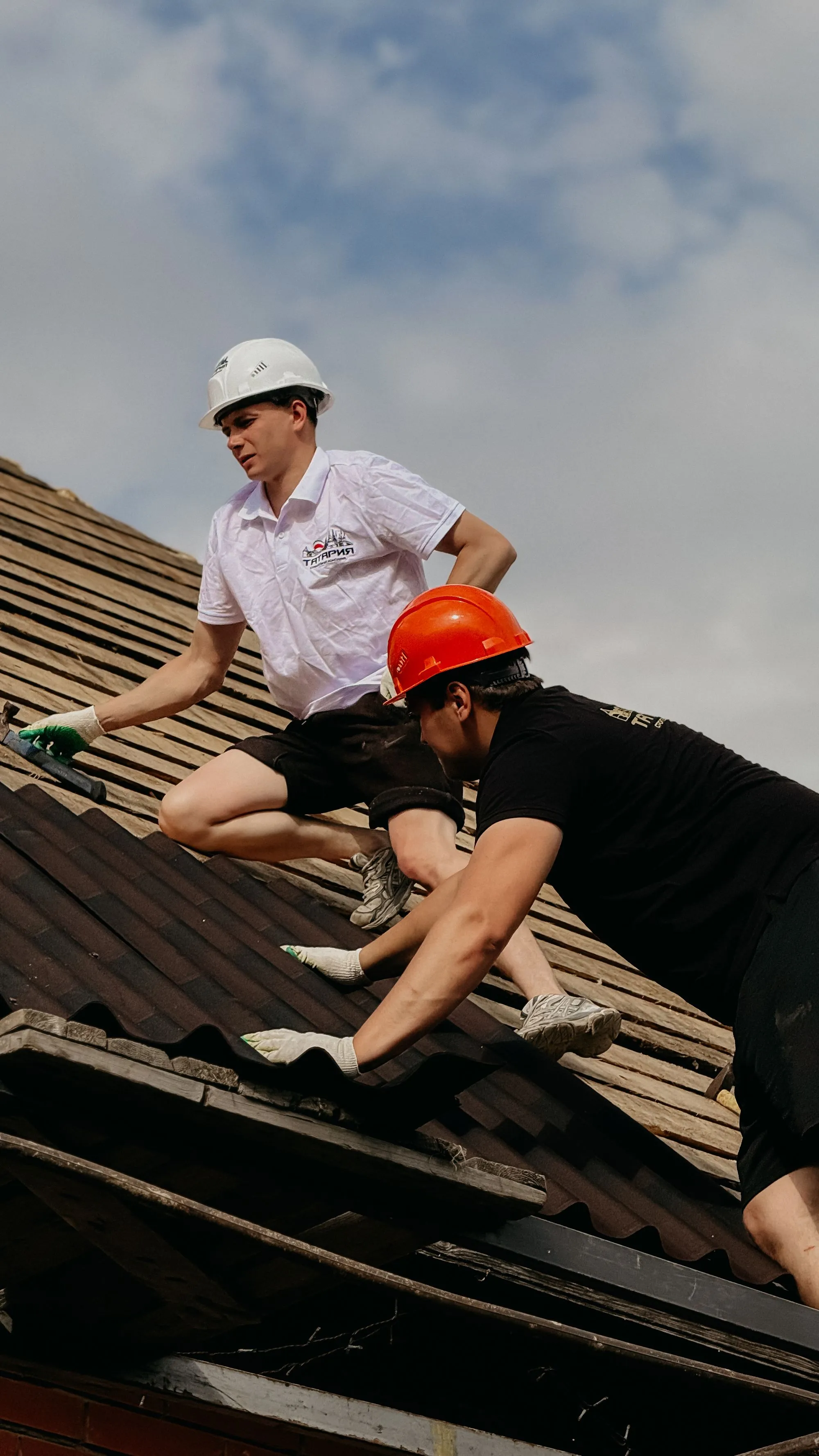
A full tear-off planned around the frontage first, so four tons of old covering leaves the street without closing it.
Read the page →Local repairs done properly, with a straight answer about whether the roof is worth repairing at all.
Read the page →Tracing a leak back to where the water actually enters, which is rarely above the stain.
Read the page →A documented look after a blow, with the damage photographed in a form that is actually usable.
Read the page →An hour above the deck and below it, ending in a plain written verdict on the covering and its remaining years.
Read the page →Walls and trim fitted by the people who did the covering above them, which is how the flashing between the two ends up right.
Read the page →The drainage sized and hung for the roof above it, and discharged far enough from the house to matter.
Read the page →Low-slope membrane work on warehouses and shopfronts is a different trade with different equipment. Residential slopes only.
Standing seam and metal panel systems are not something this crew installs. A metal roof needing a repair is better served by somebody who fits them weekly.
Arrays come off and go back on with whoever installed them. Working around one without reflashing is exactly the sort of shortcut that causes a leak two winters later.
An hour on it and under it, then an itemised sheet you keep either way.