
Measured from the roof
Squares, pitch and layer count come off the house itself. An aerial estimate on a cape with dormers is a guess with a decimal point on it.
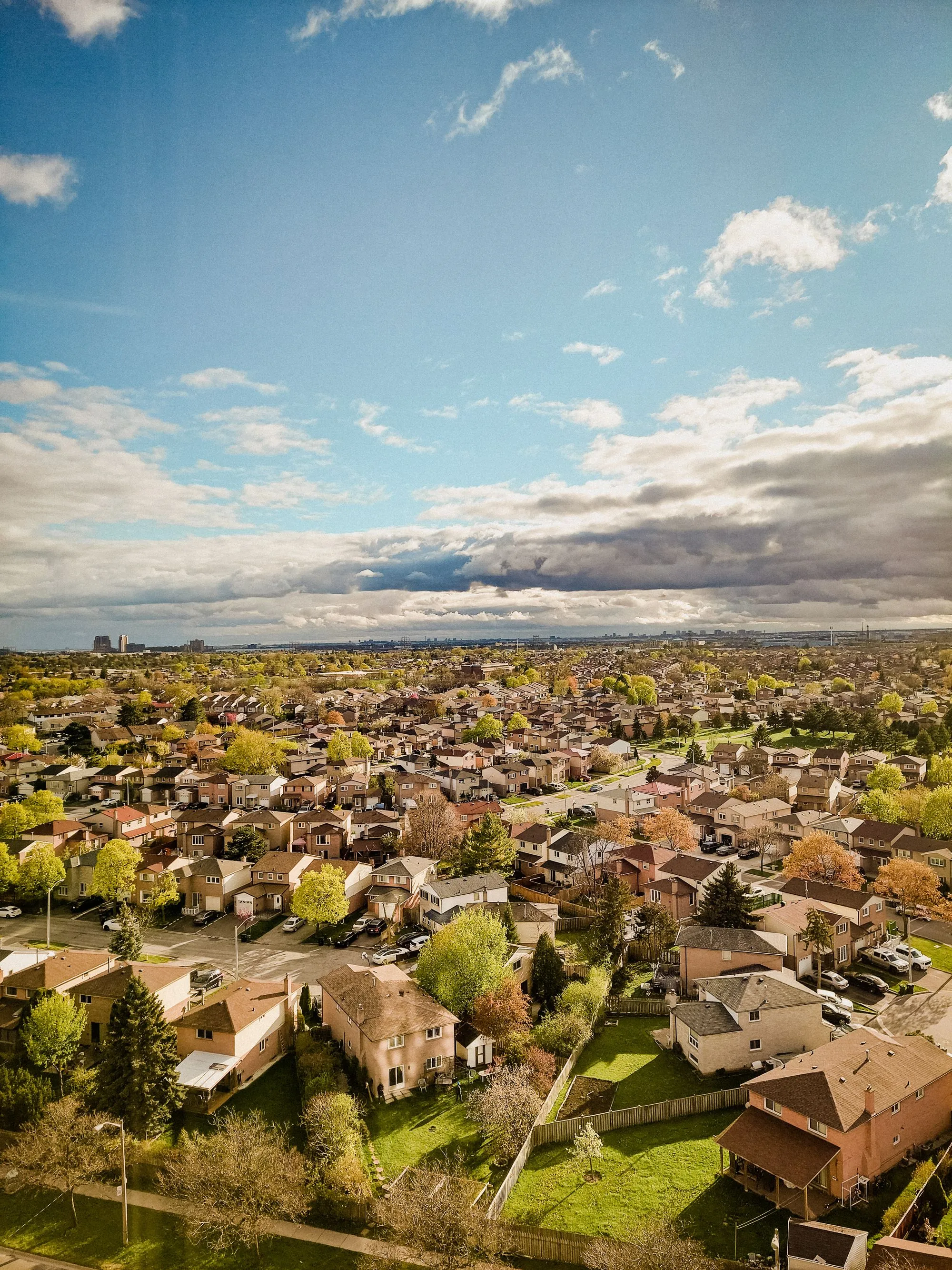
Eight Camden County towns, most of them the same age and the same lot width, which is why the same handful of roofs keep turning up.
These towns share a housing age and, more usefully, a lot width. A crew that works the same constrained frontage every week gets faster at the part of the job that actually costs time: getting material in and rubbish out without blocking a street.
Squares, pitch and layer count come off the house itself. An aerial estimate on a cape with dormers is a guess with a decimal point on it.
A kerbside skip permit or a trailer-load day appears as its own line rather than being folded quietly into the labour figure.
The outfit is small enough that a longer drive does not mean a different set of people on your roof.
Barely two square miles of mostly post-war capes and ranches on narrow frontages, with a stretch of larger lots up by the lake.
Much newer and much wider, with complex roofs carrying a lot of planes and valleys per square.
Dense older housing where whole streets reach the end of a covering within a year or two of each other.
A mix of lake-side cottages and small post-war housing, with some roofs that have been layered more than once.
Tight borough blocks and a good deal of original low-slope porch roofing attached to steeper main slopes.
Small lots, short drives and a high proportion of houses where the gutter run outlived its first roof.
Larger properties and longer drives, with roofs big enough that the square count is what drives the price.
Hilly streets and a lot of houses at the age where the second layer decision is being taken right now.
An hour on it and under it, then an itemised sheet you keep either way.